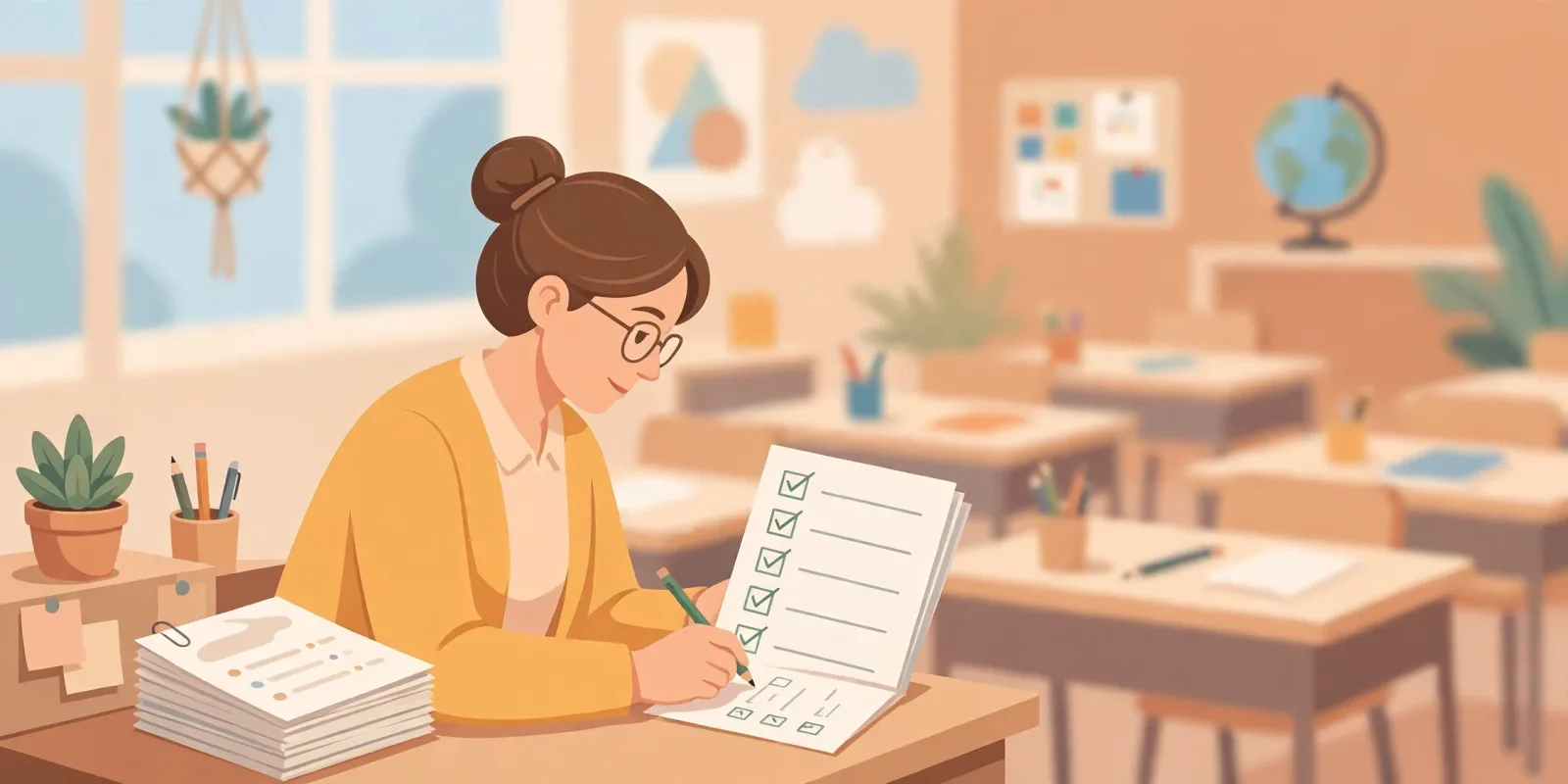
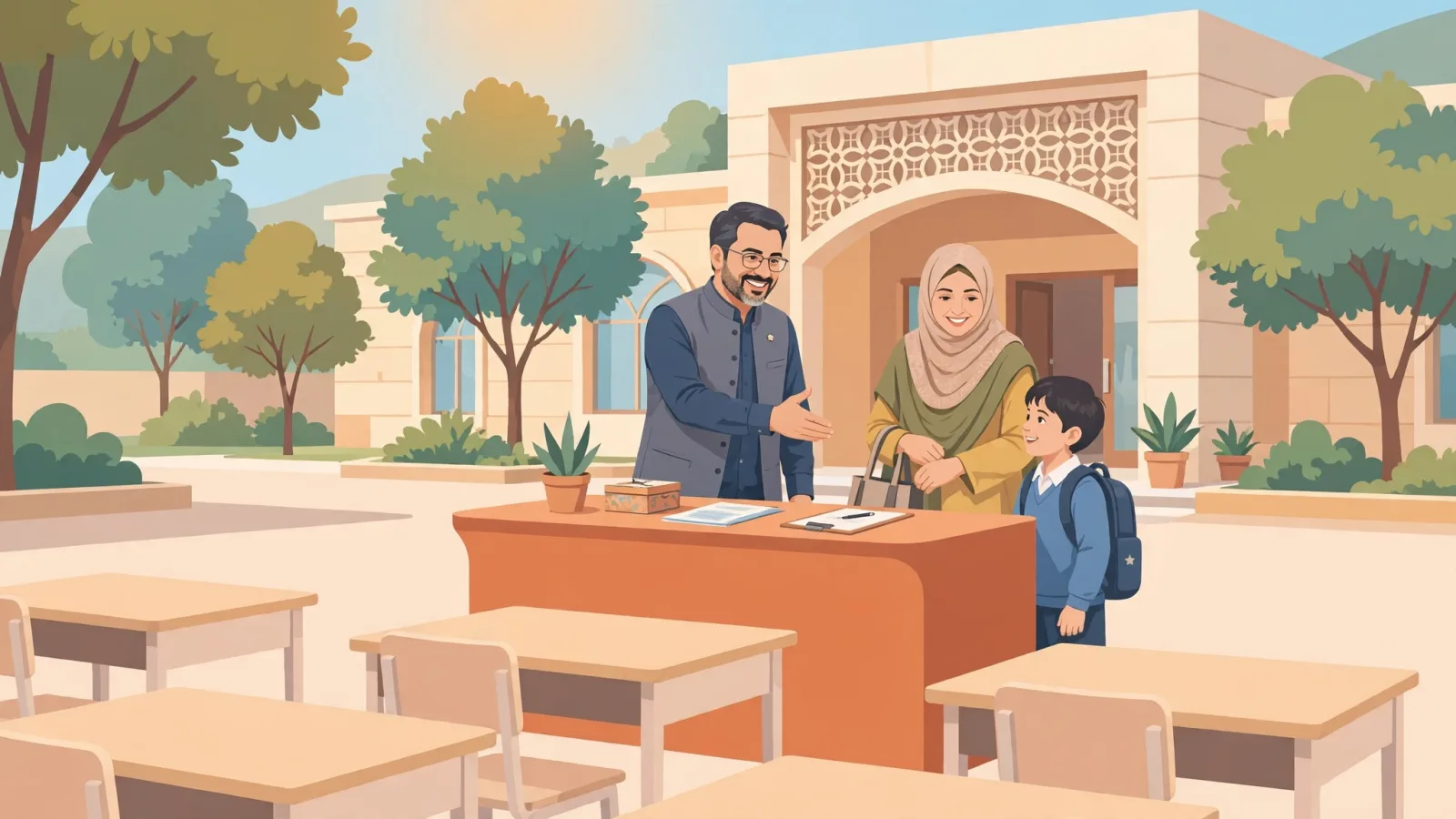
Short answer: To increase school admissions, fix the three leaks most schools ignore: parents who enquire but never hear back, parents who visit but leave unsure, and parents who intend to enrol but find the paperwork too slow. Answer every enquiry the same day, run a short, welcoming campus visit, and make admission a one-visit decision with a clear fee plan.
Every admission season, the same scene plays out in school offices across Pakistan. The phone rings, a parent asks about admissions, someone promises to call back — and nobody does. A family visits on a Saturday, likes the classrooms, and then drifts away because no one follows up. Another family is ready to enrol, but the admission form, the fee voucher, and the document list take so long that they walk over to the school down the road instead.
Empty seats are rarely a sign that parents do not want your school. More often, they are a sign that the path from first enquiry to enrolled student has too many gaps. This guide walks through a practical, low-budget playbook for filling those seats — no big advertising budget required, just a tighter process and better follow-up.
How to increase school admissions: start with the numbers you already have
Before spending a rupee on promotion, find out where you are losing families. Most school owners only track one number: total admissions. That hides the real problem. Track four numbers instead, even on a simple notebook or spreadsheet:
- Enquiries: how many parents asked about admission this month, and from where — walk-in, phone, WhatsApp, Facebook, or a referral?
- Visits: how many of those enquiries actually came to the campus?
- Applications: how many visiting families took or submitted an admission form?
- Enrolments: how many paid the admission fee and completed enrolment?
If enquiries are low, you have a visibility problem. If enquiries are high but visits are low, you have a follow-up problem. If visits are high but enrolments are low, you have a visit or fee problem. Each one needs a different fix, and guessing wrong wastes the whole season.
Work out one more number: seats available per class. A school with 12 empty seats in Class 6 and 2 in Class 1 should not run the same message for both. Targeted effort — a message to parents of Class 5 students in nearby schools, for example — beats a general "admissions open" poster every time.
1. Answer every enquiry the same day
The single highest-return change a school can make costs nothing: reply fast. Parents enquiring about admission are usually talking to three or four schools at once. The school that answers first, clearly, and warmly often wins — even when it is not the cheapest or the nearest.
Put one person in charge of enquiries during admission season, with a simple rule: every enquiry gets a reply the same day, and every enquiry is written down with the parent's name, the child's class, a phone number, and the date of the next follow-up. A notebook works. A shared list works better, because it survives a sick day or a staff change.
What to say in that first reply matters too. Parents want four things: the fee, the class availability, the location and timing, and whether the school is a good fit for their child. A reply that answers all four — fee structure, seats in the relevant class, school timings, and an invitation to visit — moves the conversation forward. A reply that only says "visit the office" stalls it.
WhatsApp is the natural channel here. Most Pakistani parents already use it daily, and a short WhatsApp message with the fee details and a visit invitation is far more likely to be read than a missed phone call. Keep the tone warm and specific, not a copied-and-pasted flyer. Use the parent's name and the child's class.
A simple same-day enquiry script
Try something like this, adapted to your school: "Assalam-o-Alaikum, thank you for asking about admission for [child's class]. Our monthly fee for this class is Rs [amount], and we have seats available. School timings are [timings]. You are welcome to visit any weekday between [hours] — the visit takes about 20 minutes and your child can meet the class teacher. Would [day] suit you?" It answers the real questions and ends with a next step, not a dead end.
2. Make the campus visit do the selling
Parents rarely choose a school from a brochure. They choose it from what they feel during a visit: are the classrooms clean, are the teachers warm, do the children look happy and safe? The visit is your best marketing, so plan it like one.
Keep visits short and structured — 20 to 30 minutes is enough. A good visit has four stops:
- A welcome, not a wait. Greet the family by name, offer water, and start on time. A family left waiting in a corridor for 40 minutes has already formed an opinion.
- The classroom, not just the office. Let parents see a real class in progress, meet the teacher of the relevant class, and see where their child would actually sit.
- One honest conversation. Ask what matters to them — academics, discipline, safety, transport, fee flexibility — and answer honestly. If you cannot offer something, say so. Parents trust a school that is honest about its limits more than one that promises everything.
- A clear next step before they leave. Hand them the admission form, explain the fee and the documents needed, and agree on a date by which they will decide. Never let a family leave with "we will think about it" as the only outcome.
One practical tip: hold a weekly open morning during admission season, on a fixed day and time, so walk-in families can be grouped together and teachers know when to expect visitors. It saves staff time and gives visiting parents the reassuring sight of other families considering the same school.
3. Remove the friction from admission itself
Many schools lose families at the last step: the admission process is slow, confusing, or full of repeat visits. Every extra trip to the office is another chance for a family to change its mind.
Aim for one-visit admission. That means:
- One form, with every field explained in plain language — no jargon, no duplicate sections.
- A short, written list of documents needed, given at the first visit, not discovered step by step.
- A fee voucher issued on the spot, with the total admission cost stated clearly — admission fee, monthly fee, and any annual charges — so there is no surprise later.
- A payment option that suits the family: full payment, or an instalment plan where the school's policy allows it.
Fee surprises are a common reason families walk away after visiting. If your admission fee, monthly fee, and annual charges are explained upfront, in writing, parents can decide with confidence. If they only learn about an extra charge at the payment counter, trust breaks — and trust is the whole sale.
Classonix helps here in a quiet, practical way: once a student is admitted, their record, fee plan, and instalment schedule live in one place, and fee vouchers with PDF receipts can be issued without hunting through registers. That matters most after admission — when a smooth first fee experience confirms the parent made the right choice.
4. Ask your current parents first — referrals beat advertising
The cheapest admissions channel is the one most schools underuse: their own satisfied parents. A recommendation from a parent whose child already studies at your school carries more weight than any Facebook post, because it comes with lived experience.
Make referrals easy and deliberate. Near the end of term, or at a parent-teacher meeting, simply ask happy parents to recommend the school to one family they know. Give them something easy to pass on: a short WhatsApp message with the admission details, the visit timings, and the school's phone number. Parents are far more likely to forward a ready message than to write one themselves.
A small, honest incentive can help — for example, a discount on one month's fee for a successful referral — but check that it fits your school's policy and budget first. Even without an incentive, a direct, personal ask works: most parents are glad to recommend a school they genuinely like, they just need to be asked.
Also, talk to the families who left. If students left your school last year, a polite call asking what went wrong — and whether anything has changed — can win some back, and will always teach you something about why seats went empty.
5. Be visible where parents actually look
You do not need a large advertising budget, but you do need to be findable. In practice, parents in Pakistan look in three places: Google, Facebook or WhatsApp groups, and word of mouth in their neighbourhood.
Start with the free basics. Make sure your school appears on Google with the correct name, address, phone number, and timings, and that your Facebook page answers the questions parents ask most: fee structure, classes offered, admission dates, and contact details. An outdated page with last year's admission dates actively loses enquiries.
Then, post during admission season with useful content, not just "admissions open" graphics. A short post about what a parent should look for when choosing a school, a photo of a classroom activity, or a simple explanation of your fee structure will be shared far more than a poster. One genuine post a week beats ten identical posters.
If you do spend money, spend it narrowly: a small, local campaign aimed at parents within a few kilometres of your school, in the age range of your classes, will outperform a broad campaign every time. Track which channel each enquiry came from — that is how you learn what actually works for your school, instead of repeating what worked for someone else's.
6. Handle fee objections before they end the conversation
"Your fee is too high" is usually not the real objection. Often it means "I do not yet see what my child gets for this fee," or "I cannot pay this all at once." Both have answers — but only if you hear them out instead of arguing about price.
First, connect the fee to what parents care about: class size, teacher attention, safety, and results. A parent who has met the teacher and seen the classroom is far more willing to accept the fee than one who only saw a number on a poster.
Second, offer flexibility where your policy allows it. An instalment plan for the admission fee, or a clear monthly schedule, can turn a "we cannot afford it" into an enrolment. What matters is that the plan is written down, with dates and amounts, so neither side faces a misunderstanding later. Schools that manage fee plans on paper often lose track of who owes what; a system that records each instalment and sends a reminder before it is due keeps the arrangement working for both sides.
For more on keeping fee conversations smooth after enrolment, see our guide to reducing fee defaulters and our fee reminder letter templates — both are built around the same principle: clear terms, agreed early, followed up politely.
7. Follow up — twice, politely, and then stop
Most admissions are lost not by rejection but by silence. A family that visited, liked the school, and then heard nothing will assume the school is not interested — or will simply forget while another school follows up.
Set a simple follow-up rule for every visiting family:
- Same day: a short thank-you message, repeating the next step and the decision date you agreed on.
- Two to three days later: one polite check-in — "Did you have any questions after the visit?" — with an offer to help with the form or the fee plan.
- One week later: a final, friendly message, and then stop. Repeated messages after that point feel like pressure, not care.
Keep a list of every family at each stage, with the date of the last contact and the next follow-up date. This is the list that turns a busy admission season into actual enrolments. Schools using Classonix can pair this follow-up list with its WhatsApp reminders, which track whether a message was sent, delivered, and read — so staff know who actually saw the message and who needs a phone call instead.
Your 4-week admission season plan
Putting it together, here is a realistic four-week plan for a school with limited staff and budget:
- Week 1 — Fix the basics: count your empty seats per class, set up the enquiry list, assign one person to same-day replies, and update your Google and Facebook details.
- Week 2 — Open the doors: start weekly open mornings, brief teachers on the visit route, and send the referral message to current parents.
- Week 3 — Follow up hard: work the enquiry list daily, run the two polite follow-ups for every visiting family, and simplify any admission step that caused a delay in weeks 1–2.
- Week 4 — Close and learn: confirm enrolments, issue fee vouchers promptly, thank new parents, and record where each admission came from — so next season starts with evidence, not guesses.
None of this requires new buildings, new teachers, or a marketing agency. It requires a list, a same-day reply habit, a decent visit, and follow-up. Schools that do those four things consistently fill seats that other schools, with better facilities but worse follow-up, leave empty.
How Classonix supports admissions after the decision
Once a family decides, the experience should stay smooth. Classonix records the new student's details, fee structure, and instalment plan in one place, issues fee vouchers with PDF receipts, and sends WhatsApp fee reminders with delivery tracking — so the school's first impression is matched by its first fee cycle. For schools on the free plan, up to 100 students are covered at no cost, which makes it a practical starting point for a small school testing a tighter admission process. Learn more at Classonix.
Frequently asked questions
How long before admission season should a school start promoting?
Start at least four to six weeks before admissions open. That gives time to fix your enquiry process, update your online details, and ask current parents for referrals — all of which matter more than a last-minute advertising push in the final week.
What is the most common reason parents do not enrol after visiting?
Usually it is not price alone — it is uncertainty or delay. Parents leave unsure about the fee total, the documents needed, or the next step, and then no one follows up. A clear fee summary, a document list, and a same-day thank-you message remove most of that uncertainty.
Should a small school spend money on Facebook ads for admissions?
Only after the free basics are done: fast enquiry replies, a good visit, and referrals from current parents. If you do advertise, keep it local and narrow — parents within a few kilometres — and track which enquiries each ad brings in, so you can judge whether it earned its cost.
How many times should a school follow up with an interested parent?
Twice after the visit is enough: a same-day thank-you and one check-in two to three days later, plus a final friendly message after a week if there is still no reply. Beyond that, further messages usually damage goodwill rather than win the admission.
Does offering an instalment plan for admission fees actually help?
Yes, when it is written down with clear dates and amounts. Many families can afford a monthly fee but struggle with a large one-time admission payment. A clear instalment plan removes that barrier — provided the school tracks each instalment and reminds parents before each due date, so the plan does not turn into a fee dispute later.